Data Brokers
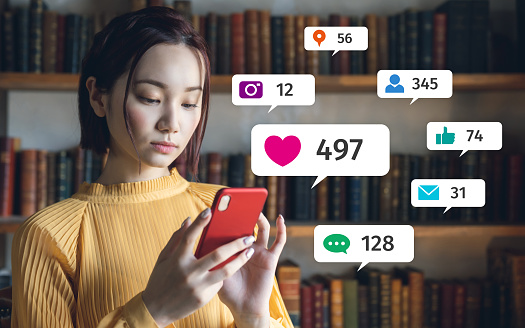
Have you ever wondered why you do not have to pay for your social media account? As popular as these sites are now, why don’t they charge you a membership fee for basic access? The truth is, they’re not free. When we create profiles and use these platforms, we’re actually making an exchange: their service for our information. Now what would you think if an organization took that information from your social media accounts and created a profile of you, a profile that makes them money?
This is what some data brokers do. They take your information from public records, private sources, driving records, social media, court reports, voter registration lists, consumer purchase histories, bank card transaction records, web browsing history, and many other sources to create a profile on you. They then sell this information to other businesses—financial institutions, insurance companies, the hospitality industry, cable and telecommunications companies, political campaigns, retail stores, government entities, and law enforcement agencies.
Data brokers called “people search sites” are organizations that collect your personal information such as age, address, and phone number. They put this information on sites where any person can look up this information for free, and they usually offer a lot more information when money is involved. Some data brokers sell your information for marketing purposes to advertise products you’ve looked up in the past, and others work further in the shadows to steal illegal information on you and create profiles that should be confidential. This information can be sold to most buyers with the right connection, and the details aren’t always accurate.

In his article Yael Grauer, shared how one victim was affected by this kind of activity: “In 2011, a Virginia resident named Thomas Robins accused Spokeo of selling inaccurate information about him, which incorrectly stated he was in his 50s, married, employed in a professional or technical field, and that he had children, none of which was true. Robbins alleged that Spokeo was in violation of federal law by not making reasonable attempts to confirm the information before selling it to third parties. He said that he may have lost job opportunities as a result.”

What if a data broker provided incorrect, harmful information about you to law enforcement and it ended up in their database? At the very least, that could make for quite an unpleasant traffic stop. When we provide more and more data into this technology-driven world, it’s hard to keep tabs on where it is and if it’s accurate. More organizations are storing and selling our data, using it for whatever they want. You can find ways to look up data brokers and try to opt out to get your data removed, but it’s not an easy process.
Be careful with the data you provide to social media and your devices like your phone and computer. When you enter information that ends up on the internet, you may never get it back. If data brokers access it, then store and sell it, they


0 Comments